


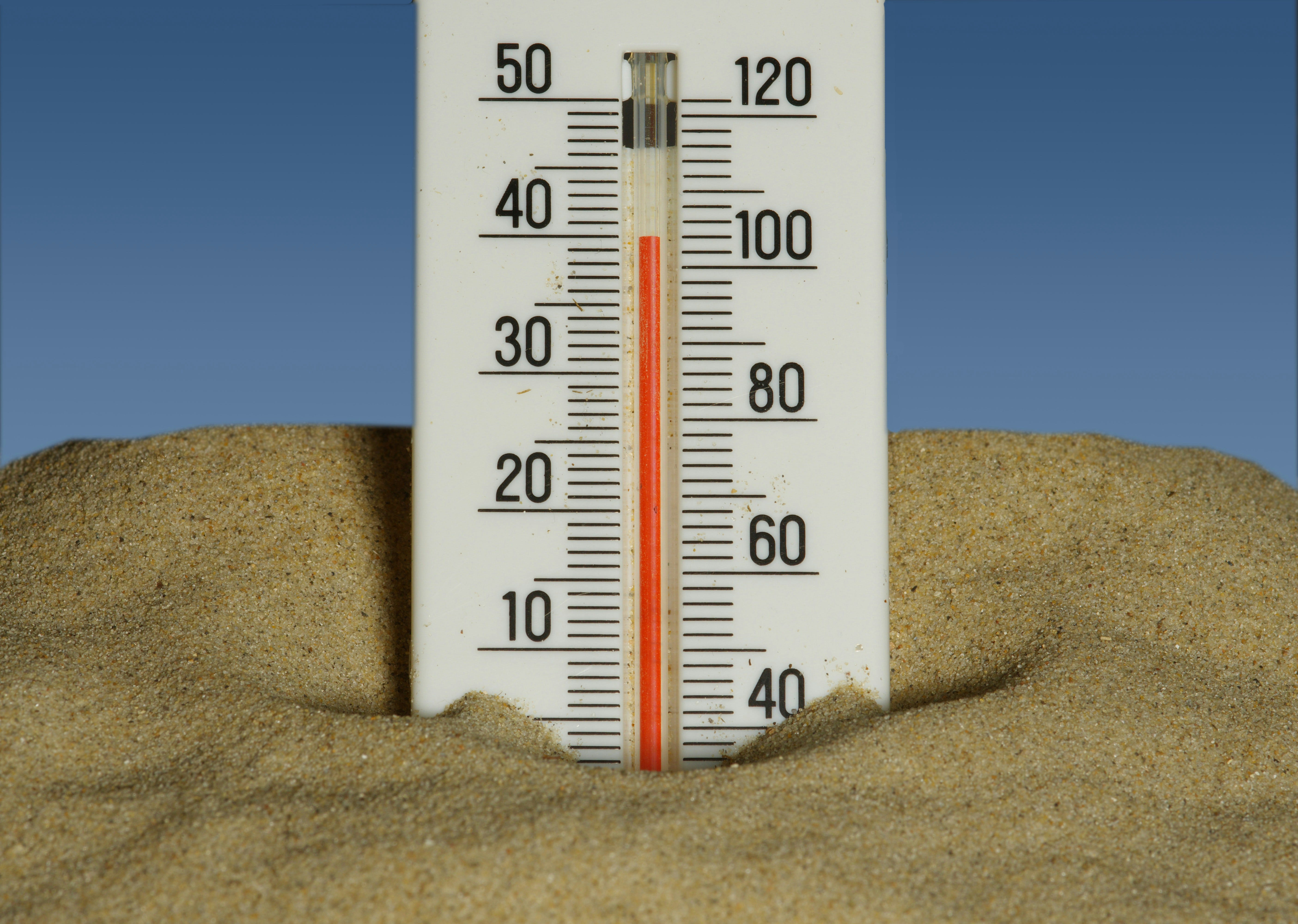
If you’re hot, bothered and feeling sweaty all the time… it’s not just you.
If you’ve been keeping up with the news: This summer has witnessed some of the most extreme weather events in recorded history.
According to scientists, there is strong evidence that climate change is increasing the frequency and intensity of extreme weather events.
So, what exactly does international law say countries have to do about this?
Well, back in 2015, 195 countries adopted the Paris Agreement.
It aims to keep global temperatures from rising further and, hopefully, to reduce extreme weather.
More specifically, the goal is to keep the world from getting more than 2°C hotter than before the industrial era, and ideally limit it to 1.5°C.
So under the agreement, every country sets its own personalised plan for fighting climate change and commits to sticking to it.
These plans are known as Nationally Determined Contributions (NDCs).
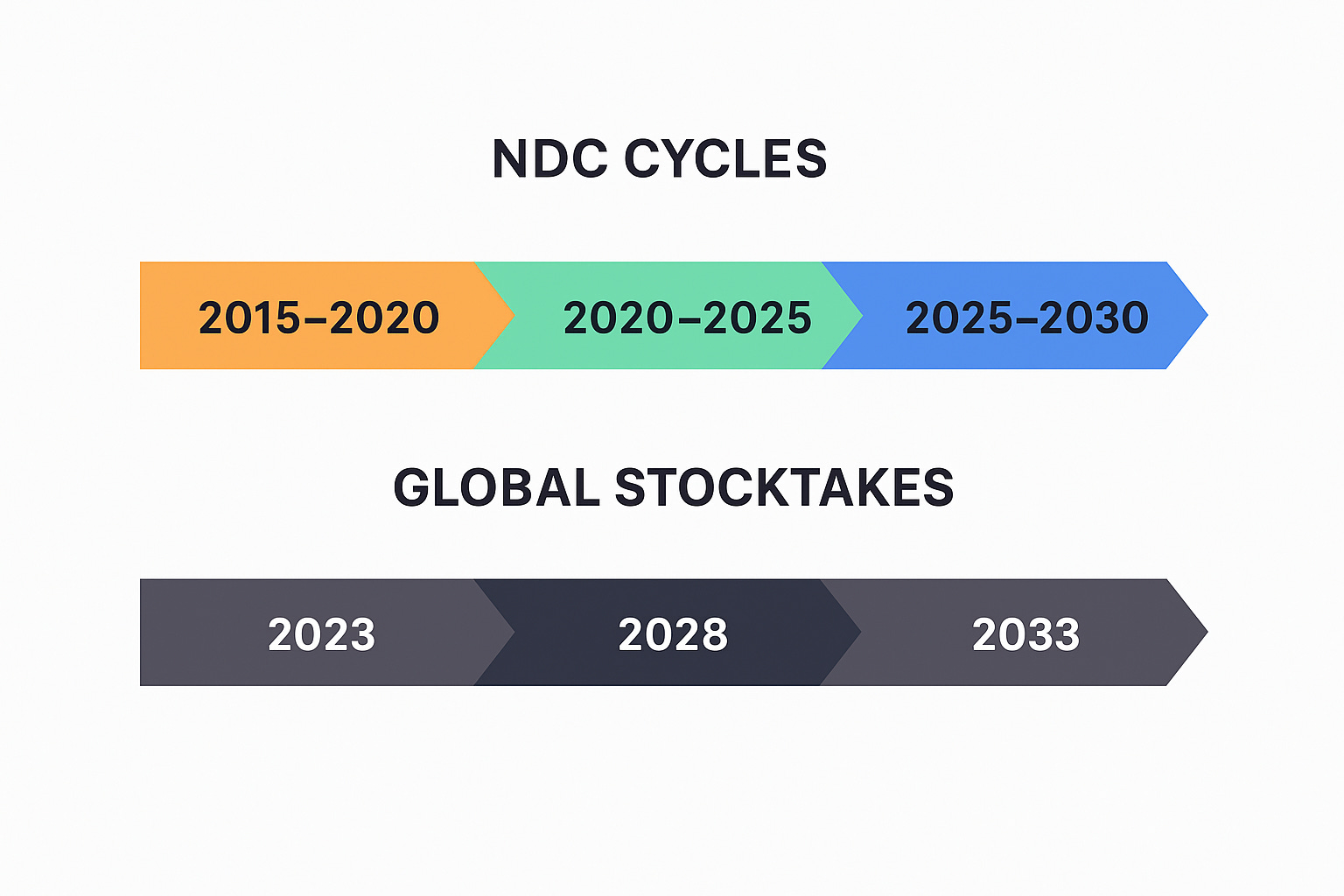
Countries have to submit their NDCs every five years — first in 2015, then by 2020, 2025, 2030, and so on — but not everyone hits these dates on time, so submissions trickle in rather than landing all at once.
Then, every 5 years, all 195 of them are reviewed together to see if, added up, they’re keeping the world on track with the Paris Agreement’s goals:
This review process is called the Global Stocktake.
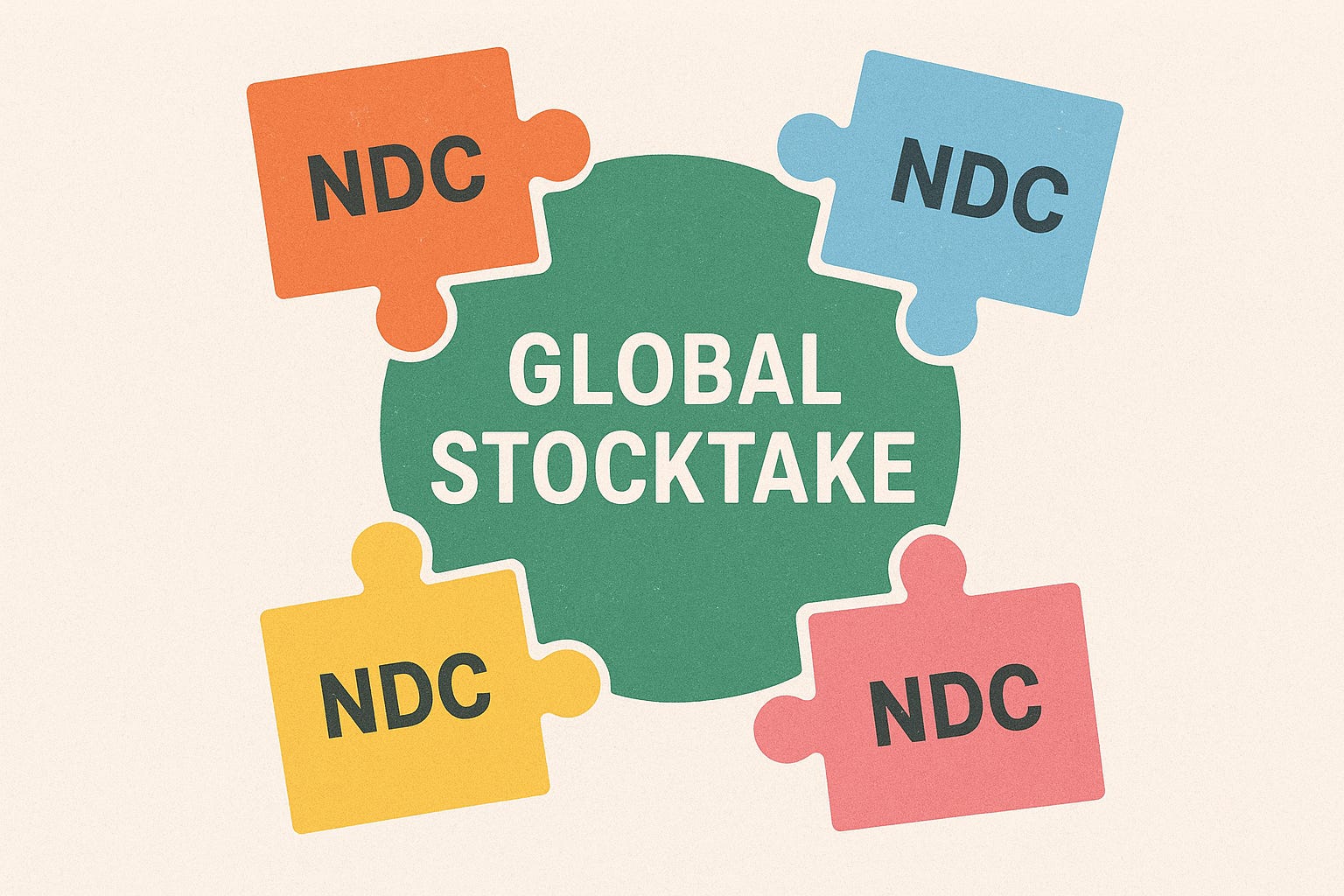
(Throwing in some SAIL Art! 😄)
Global Stocktakes are scheduled between NDC cycles (2023, 2028, and so on).
They’re designed to push the next round of NDCs towards greater ambition.
In 2023, the first Global Stocktake report indicated that countries were not on track.
It said global warming was at around 1.1°C – pretty close to the 1.5°C limit.
(And the increasingly extreme weather proves it!)
Plus, in early 2025, almost all countries were late to even submit their updated NDCs on time…!
But on 23 July 2025, the International Court of Justice (the world’s highest court) clarified in an opinion that countries can’t put whatever they want in an NDC and throw together random promises.
They have to do their homework, use real science, set fair goals, listen to people, and make sure their plan really helps fight climate change.
They also have to be mindful that all NDCs, when taken together, must help keep global warming below 1.5°C.
The court also clarified that countries can be held responsible for not respecting their climate obligations, and even pay reparations for this.
So what now?
Climate litigation has been on the rise over the past decade.
Across the world, governments and corporations are being taken to court for climate change-related offenses.
And the ICJ opinion just handed everyone a stronger legal basis to do more of it.
We can also expect to see much more of it as temperatures increase.
Stay tuned. And stay cool.
Other SAIL posts you might enjoy: