


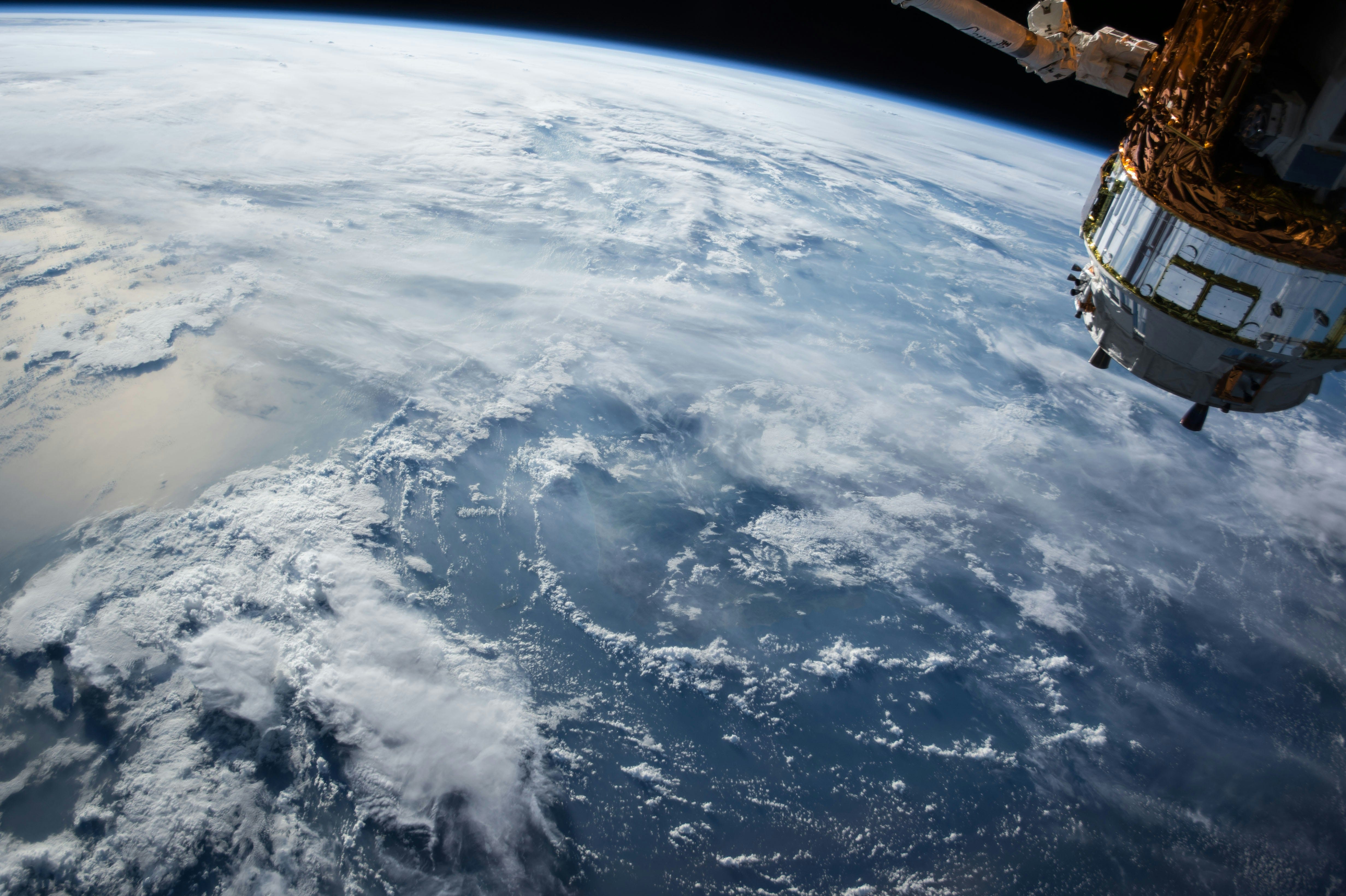
In February 2026, NASA is set to send astronauts around the Moon and back for the first time in more than 50 years.
The mission, Artemis II, will take its crew farther from Earth than any humans have ever gone!
Beyond rockets and science, it’s also quietly shaped by international law. Here are five things you might not know:
Outer Space treaty yes, Moon Treaty no
The U.S. signed the Outer Space Treaty (1967) because it says no country can own space or put nuclear weapons there, but it still lets countries explore and use space freely.
The Moon Treaty, which came later (1979), tried to go further by suggesting the Moon’s resources should be internationally controlled and shared with everyone.
The U.S. never signed it because it worried that would limit future missions.
(Artemis II wouldn’t break it because it’s just orbiting the Moon, not landing or mining, though future missions could.)
The U.S. still has to follow the Outer Space Treaty.
Every rocket belongs to a country
Under international law, rockets don’t belong to NASA or astronauts, but to country launching them.
So, Artemis II is a U.S. space object, which means the U.S. is responsible for it. (Even though the crew includes a Canadian astronaut!)
If something went wrong (e.g., damage on Earth or to aircraft in flight), responsibility would fall on the U.S.
The rules are strict: under the 1972 Liability Convention, the launching country must pay.
No one can own the moon
The goal of Artemis II is to bring NASA one step closer to landing astronauts on the moon, currently planned for mid-2027.
But under the Outer Space Treaty, no country can claim it.
Even landing, spending time there, or planting a flag (looking at you, Armstrong) doesn’t create ownership.
Racing to the moon is technically allowed
Artemis II has been described as the U.S.’s best shot at beating China in the race to return humans to the moon.
And international law actually allows this kind of strategic competition.
The Outer Space Treaty requires the moon to be used for peaceful purposes, but that only bans hostile acts, threats of force, or weapons of mass destruction.
Exploration can still serve national goals.
Whether that truly counts as “peaceful” is debated… what do you think? Let me know in the comments!
Environmental rules are lagging
Rockets release gases high in the atmosphere that can harm the ozone and climate, and missions leave behind space junk, like bits of old spacecraft.
The main international space treaties were written before environmental protection became a global legal priority.
So there are no clear rules on environmental harm from launches or deep-space missions.
Even if Artemis II causes environmental damage, there’s little anyone can do about it at the moment.
If you found this interesting, share it with someone who might enjoy it too!
Other SAIL posts you might enjoy: