


I was heartbroken to hear about the mass shooting during a Hanukkah celebration on 14 December in Bondi Beach, Sydney, Australia.
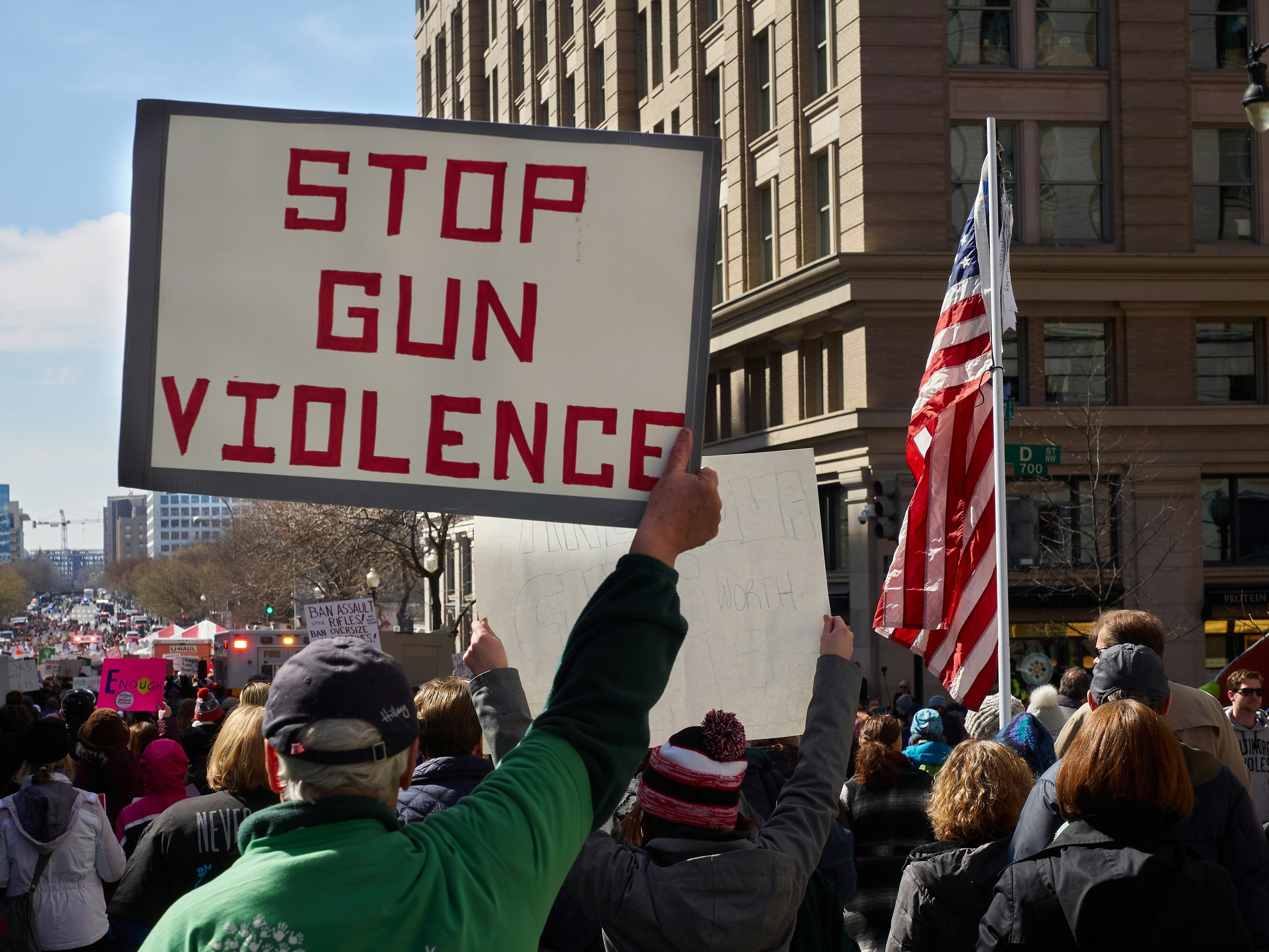
Such shootings are common in the U.S., too, which has experienced 393 so far in 2025 alone, according to one report.
So what does international law have to do with it?
Countries don’t have to ban guns
Australia has very strict gun laws, while the U.S. allows civilian gun ownership.
Under international law, there are only two main agreements that deal directly with guns: the UN Firearms Protocol and the Arms Trade Treaty (ATT).
These focus on controlling legal arms trade and stopping illegal manufacturing and trafficking between countries; not banning guns within a country.
So even though U.S. gun laws are very different from Australia’s, allowing civilian gun ownership isn’t illegal under international law.
But countries must protect life
The International Covenant on Civil and Political Rights (ICCPR) is a major human rights agreement that both the U.S. and Australia have signed.
In it, countries must protect the human right to life.
The UN has clarified that this includes a duty to take reasonable steps to address gun violence.
Australia responded quickly after the Bondi incident, announcing plans for stricter gun laws almost overnight!
The U.S., however, has been far more resistant.
Even if the U.S. Constitution allows civilian gun ownership, the country still has to comply with its obligations to protect life under the ICCPR.
In 2023, the UN again warned the U.S. to do more – including expanding background checks, banning assault weapons, restricting access for high-risk individuals, and removing legal immunities for the firearms industry.
The U.S. also skipped the UN’s scheduled review of its human rights record in November 2025, where gun violence would likely have been raised again.
Given Trump’s general hostility toward international law (keeping SAIL very busy!), major changes don’t seem likely anytime soon…
When are mass shootings acts of terrorism?
Tough question!
There is no universally agreed definition of terrorism under international law.
Countries have been in deadlocked negotiations over this for decades.
The reason? Many countries argue that acts committed in the context of armed resistance or struggles for self-determination shouldn’t be labelled as terrorism, while others want a broader definition that covers all attacks on civilians.
But both Australia and the U.S. have their own national definitions of terrorism, so legal action can be taken on that basis. One of the shooters in Australia has already been charged with terrorism.
Over to you: How can we prevent mass shootings, and is international law part of the solution? Comment below.
Other SAIL posts you might enjoy:
Mass shootings are grave violations of human rights and can be regulated through a treaty concerning gun control
Hi, please address the legality of US strikes on ISIL within Syria