


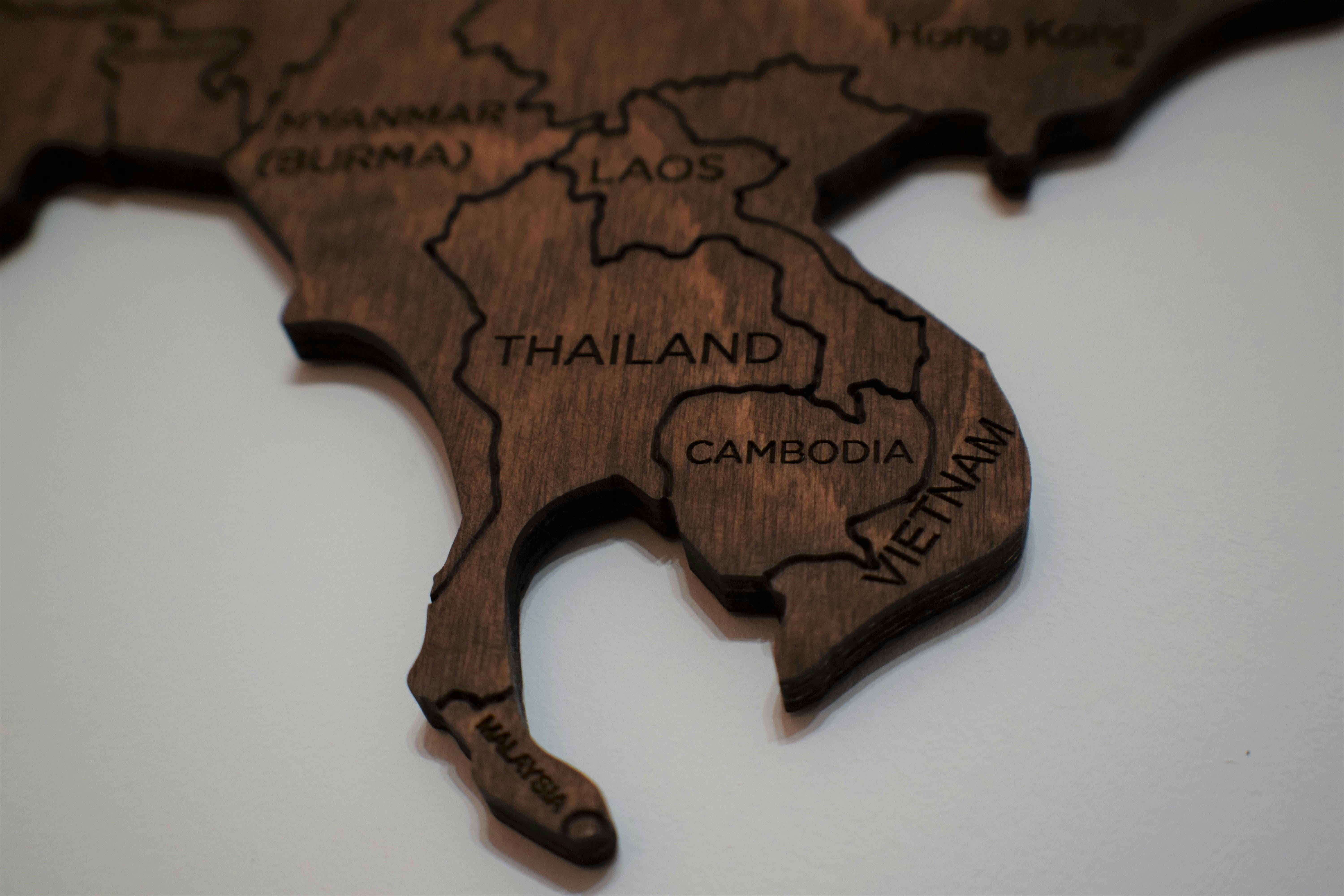
Thailand has suspended its 28 July 2025 ceasefire agreement with Cambodia (which Trump helped negotiate). This dispute raises some important international law questions you won’t see covered in the news. Here’s what they are, and some answers.
Can Thailand suspend the deal?
Technically, yes — Thailand says Cambodia broke the ceasefire agreement, which under international law can justify suspending or ending the deal (Article 60(1)).
But there’s a catch. International law also says that if the deal includes provisions protecting people’s safety or humanitarian rights, those parts cannot be ignored, even if someone broke it (Article 60(5)). Since the ceasefire explicitly aims to keep people safe, Thailand can’t simply dismiss those protections by suspending the treaty.
So in my view, Thailand was not authorised to suspend the ceasefire deal.
Can the International Court of Justice (ICJ) solve the dispute?
It tried! Cambodia sued Thailand in 1959 over a temple on the Cambodia-Thailand border, with both countries claiming the surrounding land (yes, the story goes back decades!). The ICJ decided it belonged to Cambodia, but clashes have continued to this day.
In 2011, Cambodia asked the ICJ to clarify its decision. The ICJ repeated that the temple belongs to Cambodia and ordered Thailand to withdraw all troops from the temple and surrounding area. Clashes continued.
Cambodia isn’t giving up: it now wants a new ICJ case on nearby temples, but Thailand isn’t interested and can’t be forced to participate.
In sum: The ICJ can certainly help, if Thailand gets on board.
Can the Association of Southeast Asian Nations (ASEAN) solve the dispute?
Thailand and Cambodia are ASEAN members, a group committed to regional peace and respect for the rule of law.
ASEAN’s Treaty of Amity and Cooperation (TAC) requires members (which include both countries) to resolve disputes peacefully and avoid force.
So, ASEAN can try to coax Thailand back to the ICJ, or suggest other options like arbitration (where the countries pick the decision-makers) or mediation.
Let’s see what it does!
Other SAIL posts you might enjoy: