


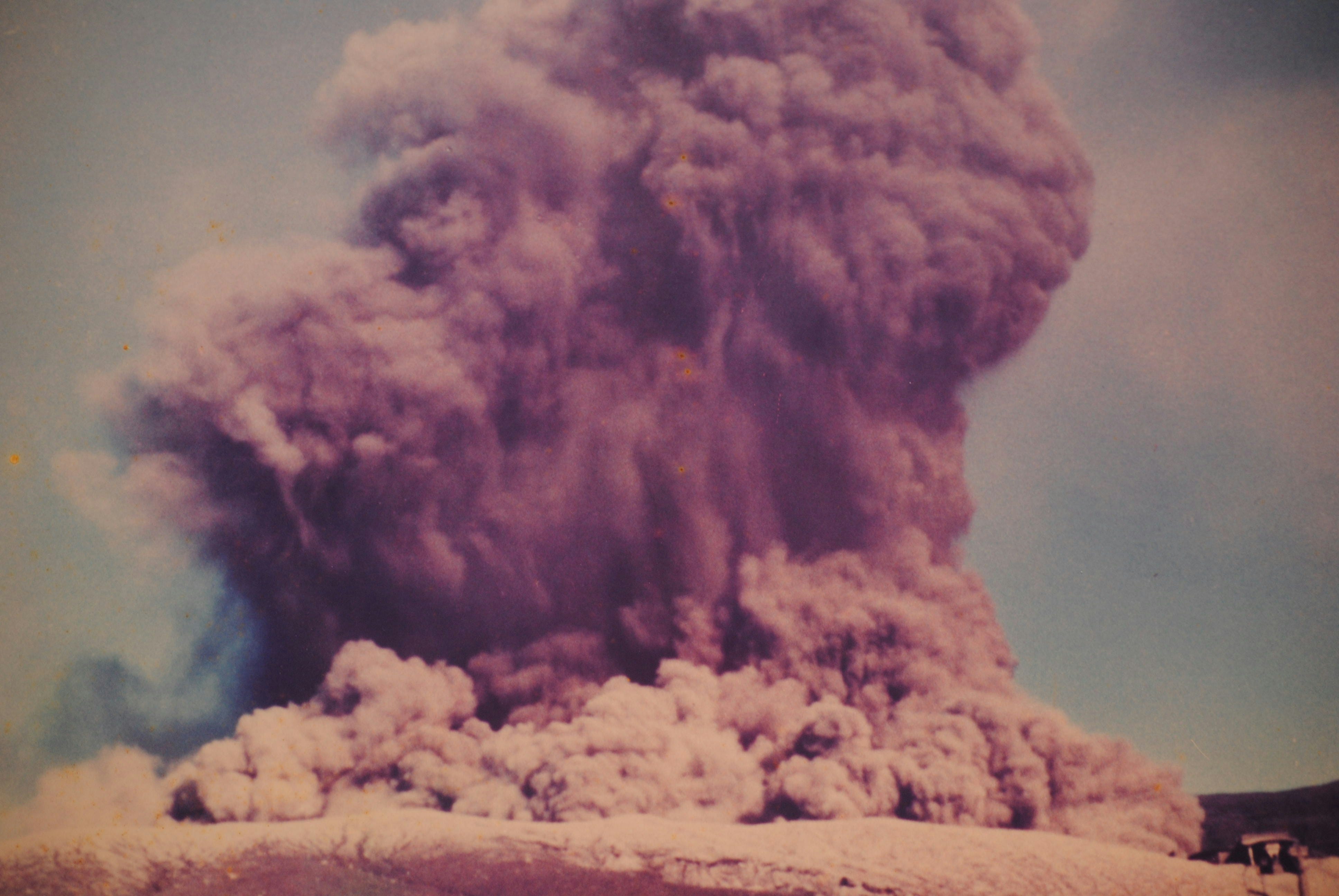
Uh-oh! Trump wants to restart nuclear testing, and Putin says he might do the same. Is that actually allowed under international law?
Not really.
The United States and Russia are both bound by the Partial Test Ban Treaty (PTBT), signed back in 1963, which bans nuclear explosions in the atmosphere, outer space, and underwater. (It’s called ‘Partial Test Ban’ because it still technically allows underground tests, as long as they don’t cause radioactive fallout beyond national borders). The treaty is still in force today.
Some might argue that the PTBT was supposed to be replaced by a newer deal: the Comprehensive Nuclear-Test-Ban Treaty (CTBT), adopted in 1996, which bans all nuclear explosions everywhere. It’s one of the most widely supported arms-control treaties ever: 185 countries have signed it and 178 have ratified it (i.e. completing the official approval process in their own national systems to make it legally binding). But it’s never actually taken effect. That’s because it needs 44 specific countries (Article XIV(1)), including the U.S. and Russia (full list here on p. 54), to ratify it before it becomes law. Both signed on in 1996 but never completed that step.
So for now, the CTBT sits in legal limbo, and the older PTBT still stands. That means the U.S. and Russia are still legally bound not to carry out nuclear tests in the atmosphere, outer space, or underwater.
So what happens now?
If either country goes ahead with nuclear tests, they would likely face intense diplomatic pressure to stop. Some countries might even consider imposing sanctions, though the fact that these are major nuclear powers makes that complicated. In theory, another country could possibly bring the case to the International Court of Justice (ICJ), arguing that nuclear tests pose security and environmental risks that affect all states. Other dispute-resolution measures could also be used, but all of these options require political will and cooperation. In practice, diplomatic pressure and negotiation are probably the most effective tools to persuade two nuclear-armed countries to refrain from testing.
Fingers crossed!
Other SAIL posts you might enjoy: