

Big news: The Biodiversity Beyond National Jurisdiction (BBNJ) Agreement officially entered into force this month!
This is a major step for international law and protecting the oceans.
But what does it actually mean, and what happens next?
Let’s break it down.
First things first: what is the BBNJ?
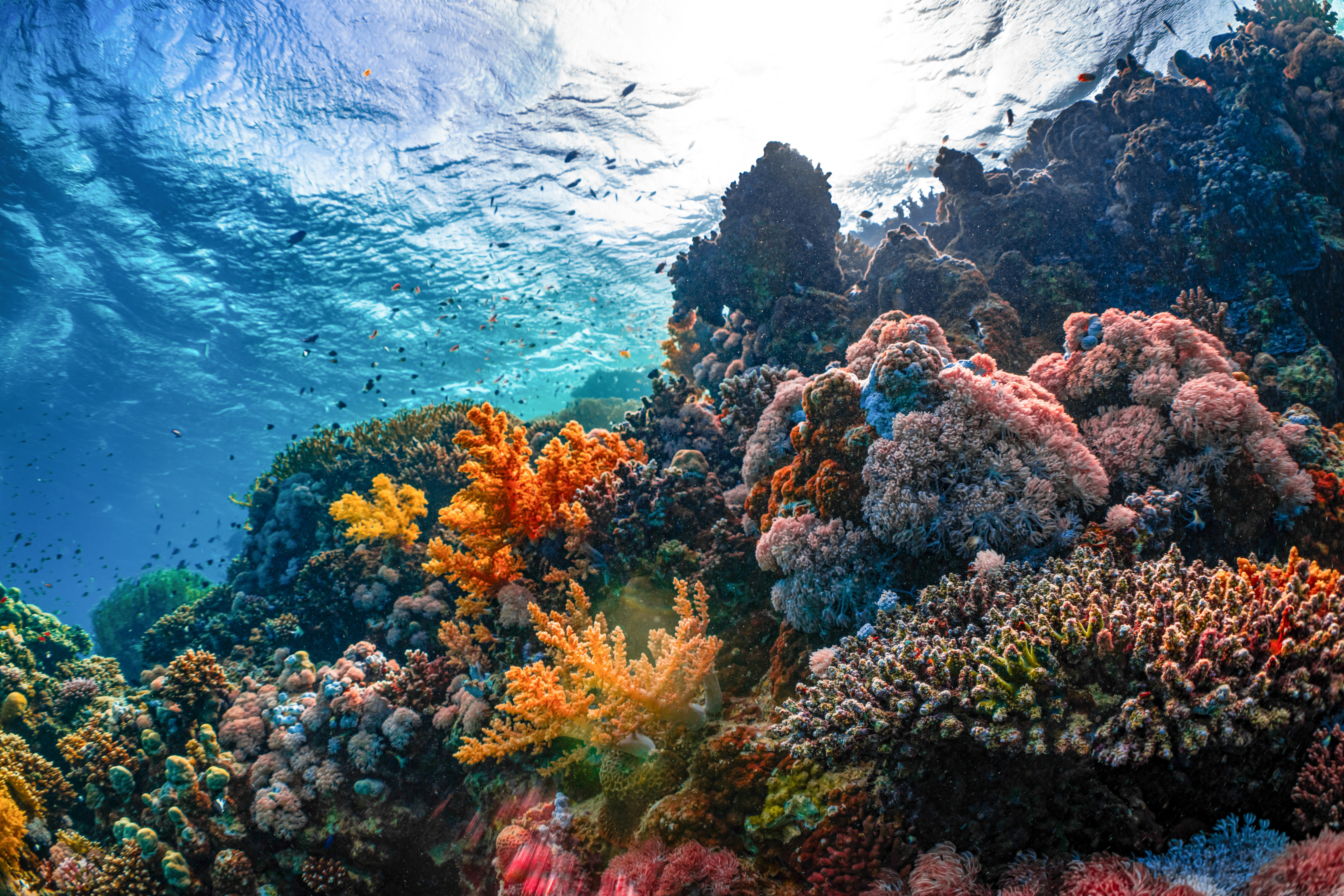
The BBNJ Agreement is a new international treaty that focuses on protecting plants, animals, and ecosystems (in other words, biodiversity) in the high seas.
The high seas are the parts of the ocean that don’t belong to any one country.
They cover nearly two-thirds of the ocean (almost half the planet’s surface!).
Despite their size, these areas have long been poorly protected.
The treaty was adopted in 2023 after nearly 20 years of negotiations.
Why do we need a treaty like this?
A lot of human activity happens on the high seas, and much of it can harm marine life.
These include research, collecting genetic material, tourism, overfishing, and ship pollution.
Until now, there was no global framework to manage these impacts or protect high seas biodiversity.
The BBNJ Agreement is designed to fill that gap.
What does the BBNJ Agreement do?
It focuses on four main areas:
Sharing benefits fairly:
If companies or countries make money or discoveries from marine life on the high seas, they have to share it fairly (especially with developing countries).
Marine protected areas:
It lets countries set up protected zones on the high seas (like ocean national parks!). Important habitats get rules to keep them safe, and countries work together to protect them.
Checking environmental impact:
Countries must check that activities on the high seas won’t seriously harm biodiversity.
Supporting developing countries:
The treaty helps developing nations build skills, access marine technology, and participate fully in high seas governance.
What’s entering into force?
When a treaty enters into force, it becomes legally active.
That means countries are legally bound by it, institutions and procedures under the treaty can be set up, and implementation work can begin. (Woo!)
For the BBNJ, this happened because 60 countries ratified it. Ratification means a country officially approves the treaty at home and agrees to follow it.
In short, the treaty is moving from paper to action.
What’s next?
The next step is putting the treaty into action, guided by a group of countries called the Preparatory Commission (PrepCom). They plan how the treaty will work.
PrepCom has met twice already, and will meet from 23 March to 2 April 2026 to finalise remaining details about how the treaty will work.
Later in 2026, the first Conference of the Parties (COP), which is the main decision-making body, will meet. This will be the moment when the BBNJ truly moves from paper into practice.
Time to SAIL to new heights of ocean protection! (Get it? SAIL? 😄)
If you found this interesting, share it with someone who might enjoy it too!
Other SAIL posts you might enjoy:
Is US party to this treaty ? Whether this will affect the credibility of the treaty?